

Routine care • Medical protection

Add preventive coverage without confusing the benefits

A preventive option can sit beside accident-and-illness insurance, but the schedules, limits and service definitions need their own review.

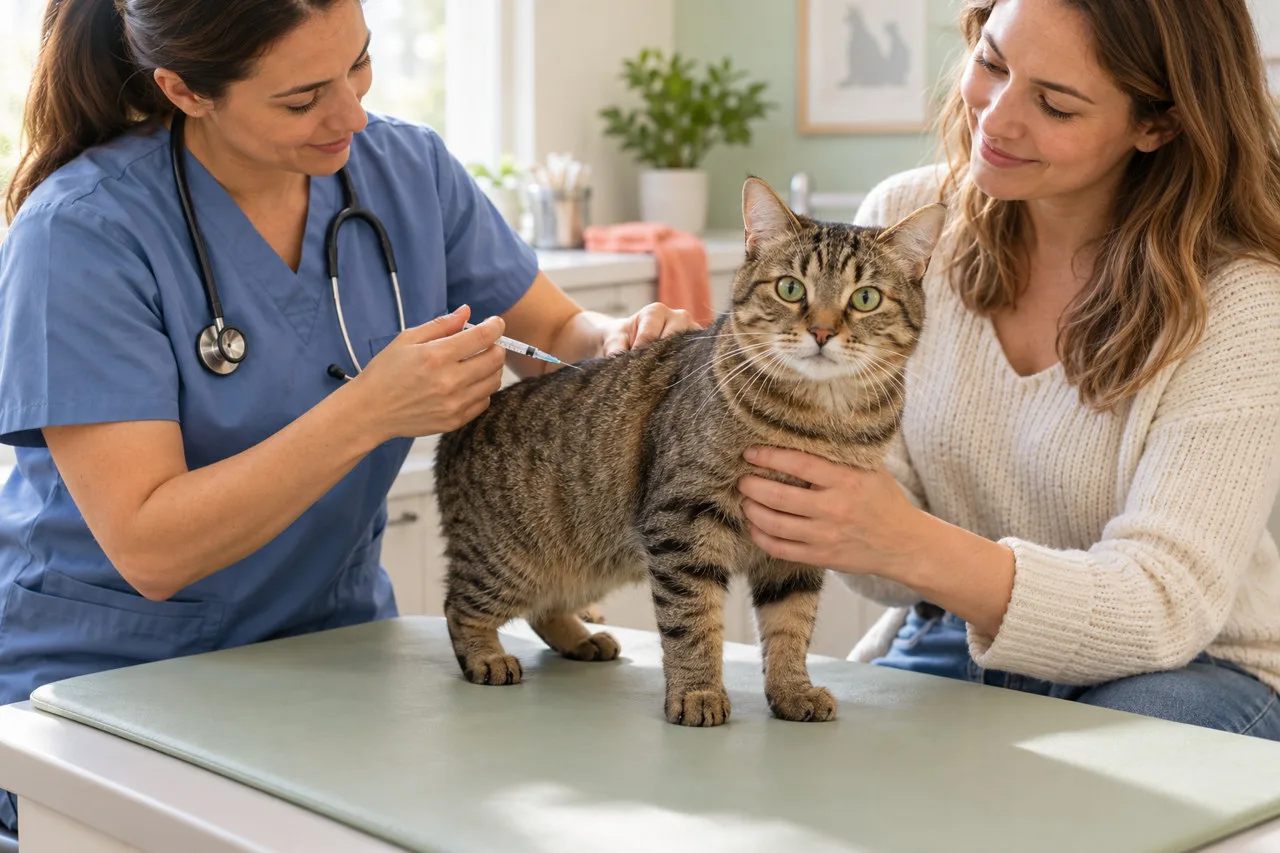
Veterinarian providing illustrative preventive care to a cat
✓ Policy-first ✓ Independent ✓ Useful checks
Direct answer
Pet insurance with preventive coverage usually combines medical insurance with an optional routine-care benefit. Verify the exact package available for your pet and state, then check covered services, frequency limits and annual allowances. A preventive benefit does not make an existing illness covered, and its advertised total is not necessarily an amount you can spend on any service.
Quotes

Keep medical protection and scheduled care on separate pages

Owner reviewing documents beside a dog
Routine prevention and treatment benefits need separate schedules.

The first layer addresses eligible unexpected veterinary costs under a medical policy. The second addresses specified routine services under its own benefit rules. They may be sold together, but a shared checkout does not make the schedules interchangeable.

Save the medical coverage summary and the preventive schedule. On each, find the premium or added charge, eligible services, limits, effective date and renewal instructions. Label which document answers which question. If the seller provides only a combined monthly total, request enough detail to understand the optional portion.

A routine wellness examination and an examination prompted by a new illness can use different benefits. Ask how the package handles each instead of assuming that an “exam” allowance pays either one. Likewise, a preventive screening allowance does not promise treatment if that screening uncovers a condition.

What to know

Use one coherent package version

Routine Vet Care Describes a wellness examination, vaccines and specified wellness testing.
Routine Vet Care Plus Adds Life Essentials benefits in selected states; its description excludes routine dental cleaning.
Preventative+ Its description includes routine dental cleaning, subject to its allowance.
Puppy/Kitten package Has a separate young-pet eligibility condition and benefit menu where offered.

These descriptions are not a combined menu. A dental benefit on one page should not be copied into Routine Vet Care Plus merely because both names contain “Plus.”

For each wanted service, write the exact benefit line and its limit from the schedule you receive. If a page and the offered document conflict, ask the insurer to reconcile them before you rely on the broader description. This guide does not establish that every listed option is offered at your address.

What to know

An unused allowance may not be a flexible wallet

Imagine a fictional schedule with separate lines for an examination, vaccines and laboratory testing. If the pet does not use one listed service, do not assume its unused allowance can be moved to another. First ask whether the schedule defines per-service amounts, visit counts or a genuinely shared amount.

Apply the same caution to a bundled clinic package. Request an itemized description and ask how the preventive plan allocates eligible charges. The clinic’s bundle price does not tell you whether the insurer regards it as one covered item or several capped items.

To assess value, use care the veterinarian actually recommends and the amounts the schedule could pay for that care. Subtract the added package cost. Do not count a benefit merely because it exists on the menu, and do not schedule unnecessary care to exhaust an allowance. A non-insurance clinic arrangement may be worth comparing, but check cancellation and service terms separately.

What to know

The renewal handoff can change the answer

  • Keep the prior preventive schedule beside the renewal offer.
  • Check the next effective date, package name, eligible services and any changed limits.
  • Ask whether unused benefits expire, reset or carry forward; do not assume a bank balance rolls over.
  • If a young-pet package is no longer offered, identify the replacement benefits rather than reuse its old checklist.
  • Confirm the date basis used for a claim and retain the relevant receipt.

That is different from saying that every household will retain the same package forever. Its FAQ also places restrictions on removing a preventive package after using its benefits. Read the rules that apply to the selected version before treating it as month-to-month reimbursement on demand.

If you are booking routine care near renewal, ask which schedule will apply. Let the veterinarian determine medically appropriate timing; insurance administration should not postpone needed care or manufacture an extra service.

Decision guide

A complete preventive decision has four answers

You should be able to name the medical protection you are retaining, the exact preventive package being added, the recommended services it can help pay for and the amount you will still pay yourself. If one answer depends on a different product page, the comparison is not finished.

Coverage for routine items can be useful even when it is modest. The relevant question is whether this actual package fits your planned care and budget, not whether a headline says “comprehensive.” Keep the routine-care estimate separate from any current illness estimate so that neither creates a mistaken expectation for the other.

Evidence

Sources and policy context

These public references support the consumer or veterinary context. Named insurer details were checked in official product materials; the policy offered for your pet and state determines the actual terms.

Next step

Compare Current Pet Insurance Rates

Check current options for your pet and location, then compare the policy details, exclusions, costs, and eligibility before choosing.

Compare the policy before you choose Check the actual offer, exclusions and out-of-pocket terms.
See Rate Options